
Climate News Today: Powerful Updates You Can Trust Now
Clear, practical climate updates with facts, context, and next steps.
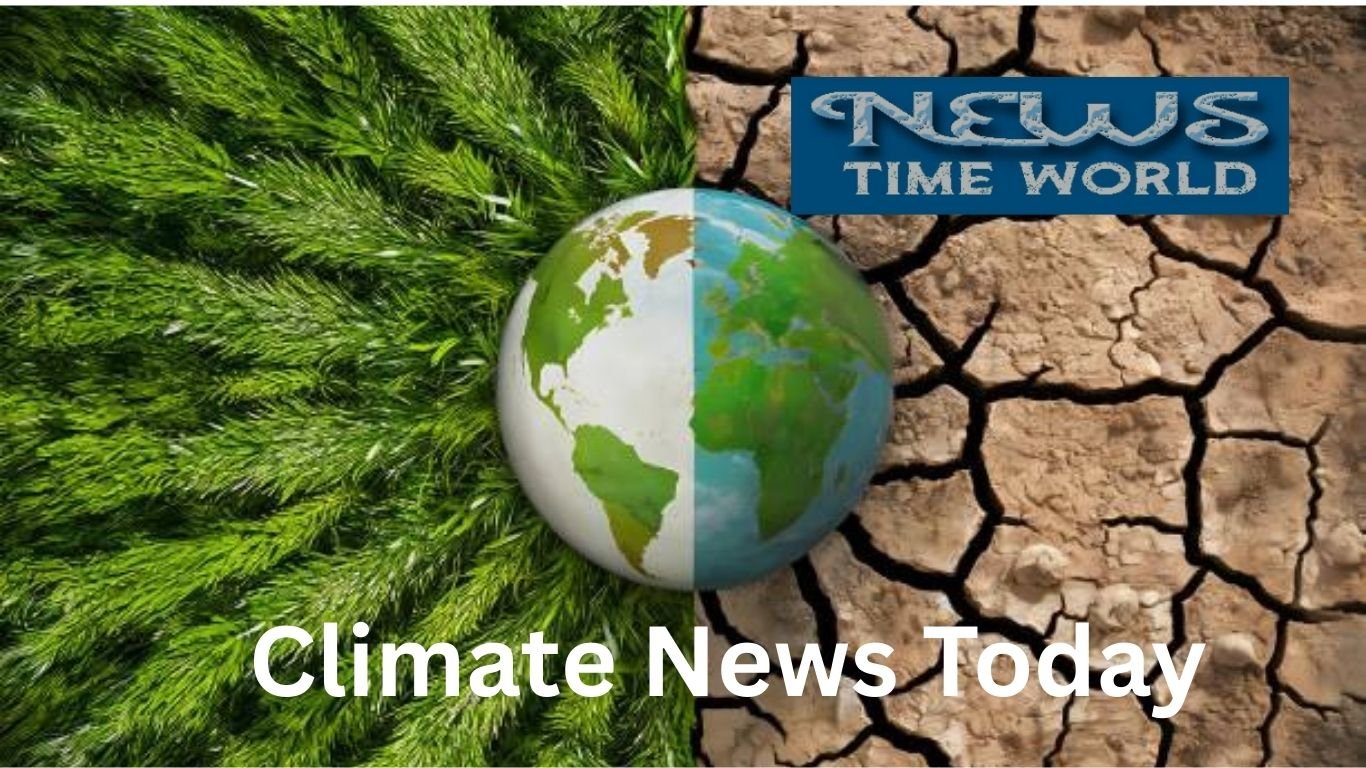
Climate news today shapes what we buy, how we travel, and how safe our homes feel. It also affects food prices, insurance costs, and local jobs. Because the climate story changes fast, many people want clear updates without fear, hype, or confusion. This guide shares reliable, current themes you will see across global reporting, plus simple ways to use that information in daily life. You will also learn how to spot strong sources and avoid misleading claims. For ongoing reporting and explainers, explore for timely coverage.
Why climate news matters in daily life
Climate topics are not only about ice or forests. They connect to health, budgets, and planning. Moreover, local risks can rise even when global numbers feel distant.
Here are common daily links:
- Heat can raise electricity use and bills.
- Smoke can worsen breathing and result in missed workdays.
- Heavy rain can delay travel and damage property.
- Drought can push up grocery prices.
Because of these impacts, climate reporting now appears in business, health, and city news.
Climate news today: the biggest 2025 themes
Across many reputable outlets and scientific briefings, several trends keep repeating. These themes help you understand what is changing and why it matters.
1) Extreme heat stays a top headline
Heat waves are becoming more frequent and more intense in many regions. As a result, cities are expanding cooling centers and updating heat alerts. Meanwhile, employers adjust work schedules to protect outdoor workers.
Practical takeaways:
- Know your local heat index alerts.
- Check on neighbors who live alone.
- Use fans safely and avoid overheating at night.
2) Flood risk planning moves from “future” to “now.”
Flooding from heavy rain is a growing issue in many places. In addition, coastal flooding and storm surge remain serious concerns. Therefore, more communities are upgrading drains, restoring wetlands, and raising key infrastructure.
What you can do:
- Review flood maps for your area.
- Keep digital copies of key documents.
- Store emergency items where water cannot reach them.
3) Wildfire and smoke seasons reshape public health
Wildfire risk is no longer limited to a single season in some areas. Consequently, smoke events are now treated like large-scale health hazards. Schools and hospitals use air quality tools more often.
Helpful steps:
- Track local AQI updates.
- Use a high-quality air filter if possible.
- Seal gaps during smoke days.
4) Clean energy grows, yet the grid needs upgrades
Solar and wind capacity continues to expand in many countries. However, grids need faster upgrades for storage, transmission, and reliability. So, energy policy often focuses on “build-out speed” and “grid flexibility.”
Key ideas to watch:
- Battery storage projects and costs.
- Transmission approvals and timelines.
- Local permitting reform for clean power.
5) Climate finance and insurance become louder topics
Insurance costs and coverage rules are changing in some risk-heavy markets. At the same time, governments and banks debate how to fund resilience. Because of this, climate finance is now personal finance.
Actions that can help:
- Review home insurance annually.
- Ask about flood coverage limits.
- Consider resilience upgrades during renovations.
Climate news today raises questions people ask.
Many readers want quick clarity. These questions often come up and guide what journalists and scientists explain.
Is the planet still warming even with short-term swings?
Yes. Short-term patterns can rise or fall. However, long-term warming continues. Therefore, scientists focus on decades, not single months.
Why do some places get colder or wetter if the world warms?
Warming changes air and ocean circulation. As a result, some areas can see stronger winter storms, heavier rain, or unusual cold snaps. That does not cancel the overall trend.
What is “climate attribution” and why is it everywhere?
Attribution studies estimate how climate change influences a specific event. They do not claim one cause. Instead, they measure how risks change over time. Because these methods have improved, they appear more in news reports.
Are climate solutions working, or is it too late?
Many solutions work, and they scale faster each year. Still, delays increase harm and costs. So, the key issue is speed and follow-through.
Climate news today and the science you should know.
You do not need a technical background to follow the main science. Yet a few concepts make stories easier to evaluate.
Greenhouse gases and heat trapping
Carbon dioxide and methane trap heat in the atmosphere. That extra heat changes weather patterns and raises ocean temperatures. Therefore, emissions cuts remain a core goal.
Oceans store most of the extra heat.
The ocean absorbs much of the added heat. As a result, marine heatwaves, coral stress, and shifting fish ranges become more common topics.
Warmer air holds more moisture.
Warm air can hold more water vapor. Consequently, storms can drop heavier rain. This helps explain why flood stories often appear alongside warming trends.
Climate news today in 2025 policy and global action
Policy coverage can feel complex. Still, you can track it with a few simple lenses.
National targets vs real-world delivery
Many governments set targets for 2030 or 2050. However, delivery depends on permits, funding, and enforcement. Therefore, reporters now focus on project timelines and actual emissions data.
Adaptation becomes as important as mitigation.
Mitigation cuts emissions. Adaptation reduces harm from impacts already here. Because both are needed, you will see more updates about seawalls, cooling plans, and drought preparation.
Corporate climate claims face more scrutiny.
Companies increasingly face pressure to back claims with data. As a result, reporters look for third-party verification, full supply-chain reporting, and clear definitions.
How to read climate news today without stress
Climate coverage can feel intense. Still, you can stay informed consistently.
Use a simple “three-source” rule.
Before you share a headline, look for confirmation. Ideally, check:
- A reputable newsroom report.
- A scientific agency or journal link.
- A local authority update if it is local news.
This reduces the chance of spreading errors.
Separate “weather now” from “climate trend.”
The weather is short-term. Climate is long-term. So, a single storm is not proof by itself. Yet storm trends can signal climate shifts.
Watch for clear numbers and clear uncertainty.
Good reporting uses data and explains limits. Moreover, it distinguishes “likely” from “possible.” That honesty builds trust.
Climate news today: reliable sources to follow
Strong sources improve your feed and your mood. You want data, context, and corrections when needed.
Helpful source types:
- National weather and climate agencies.
- Peer-reviewed journals and university labs.
- Local emergency management alerts.
- Investigative climate desks with transparent methods.
You can also follow curated coverage and explainers at Climate News Today for a single place to get updates.
Climate news today and local actions that matter
Big changes can feel distant. However, local choices reduce risk and cost.
Home and neighborhood steps
- Improve insulation for comfort and lower bills.
- Plant shade trees where appropriate.
- Check drainage paths near your home.
- Store water safely in heat-prone areas.
These steps can help during heat, storms, or outages.
Travel and daily habits
You do not need perfection. Instead, aim for steady progress:
- Combine errands to reduce trips.
- Use public transport when practical.
- Maintain tire pressure for better fuel efficiency.
Small changes add up. Moreover, they often save money.
Community engagement
Communities that plan together bounce back faster. Therefore:
- Attend local resilience meetings.
- Support cooling centers and safe shelters.
- Ask for updated flood and heat planning.
Climate news today and jobs: what is changing
Climate action affects labor markets. You may see growth in:
- Solar installation and maintenance.
- Grid modernization and battery work.
- Building efficiency retrofits.
- Climate data, risk, and insurance roles.
At the same time, some regions need support during the transition. Therefore, job stories often include training programs and regional investment.
Climate news today: myths to avoid
Misinformation spreads fast. Still, a few checks can protect you.
Myth: “Scientists always disagree.”
Scientists debate details. However, the broad direction is clear. Also, consensus does not mean certainty about every outcome.
Myth: “A cold week proves warming is fake.”
Local cold events can happen in a warming climate. Climate is measured over long periods. Therefore, single events do not overturn trends.
Myth: “Only big nations matter.”
Large emitters matter a lot. Yet local policy and markets also shift technology and costs. Moreover, adaptation must happen everywhere.
Climate news today: a simple checklist for sharing
Before you post or forward:
- Check the date and location.
- Read past the headline.
- Look for primary data links.
- Avoid cropped charts without labels.
- Share the full context in your caption.
This improves the quality of climate discussion.
What to expect next in climate coverage
Several areas are likely to stay prominent:
- Heat risk tools and city cooling designs.
- Grid reliability, storage, and transmission updates.
- Insurance pricing and coverage debates.
- Food system resilience and water security.
- Faster event attribution for storms and heatwaves.
Because these topics affect daily life, they will remain high-interest.
Stay informed with steady, useful updates
Climate reporting is moving toward practical impact. It links science, safety, money, and planning. When you use strong sources and a calm process, you can follow updates without overwhelm. Keep learning, verify before sharing, and focus on steps that protect your household and community. For continuing coverage and explainers, visit News Time World and build a reliable routine for staying informed.
Comments are closed.